
La Morte d’Orfeo
Emerging from the Underworld, Orpheus could not resist looking back to make sure Eurydice was following him. He paid the ultimate price: she was condemned to remain in Tartarus forever. Twelve years after Monteverdi’s L’Orfeo, Stefano Landi tells the tragic end of the legendary hero in La Morte d’Orfeo. From its earliest days, opera embraced the myth of Orpheus and Eurydice, a story that brings together two timeless themes: love confronting death, and humanity’s struggle against the gods. Having lost Eurydice forever, Orpheus renounces earthly pleasures. Bacchus takes offence at this and delivers him to the fury of his Bacchantes. Orpheus dies, torn to pieces. With a cast of eighteen characters, La Morte d’Orfeo brings to life all the dramatic contrasts of the early Baroque: we shudder at Bacchus’ rage and the cruelty of his priestesses, yet we are moved both by the forgetfulness that befalls Eurydice’s ghost, and by Jupiter’s mercy, which will transform Orpheus into a demigod. Following their recent Monteverdi concerts, Les Traversées Baroques, the Dijon Opera Choir and Étienne Meyer accompany Orfeo on his journey to Mount Olympus.
Libretto based on a poem by Ange Politien
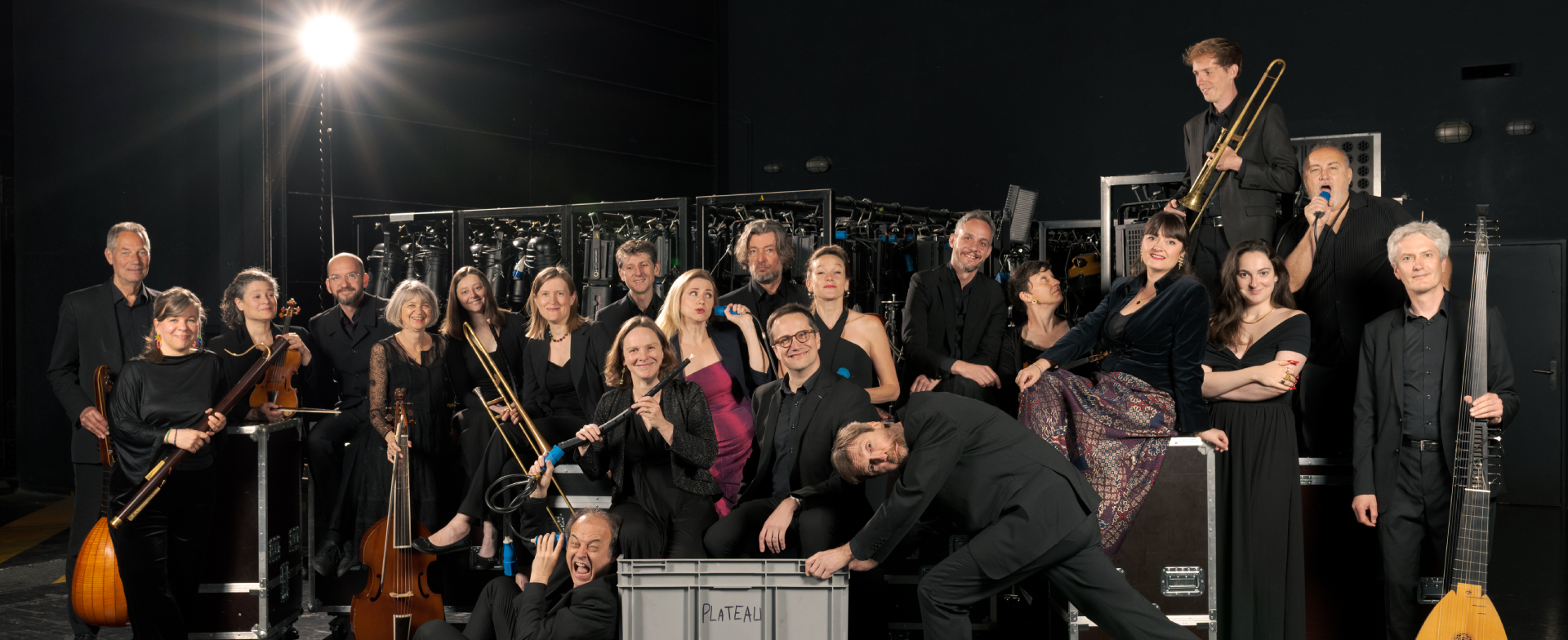
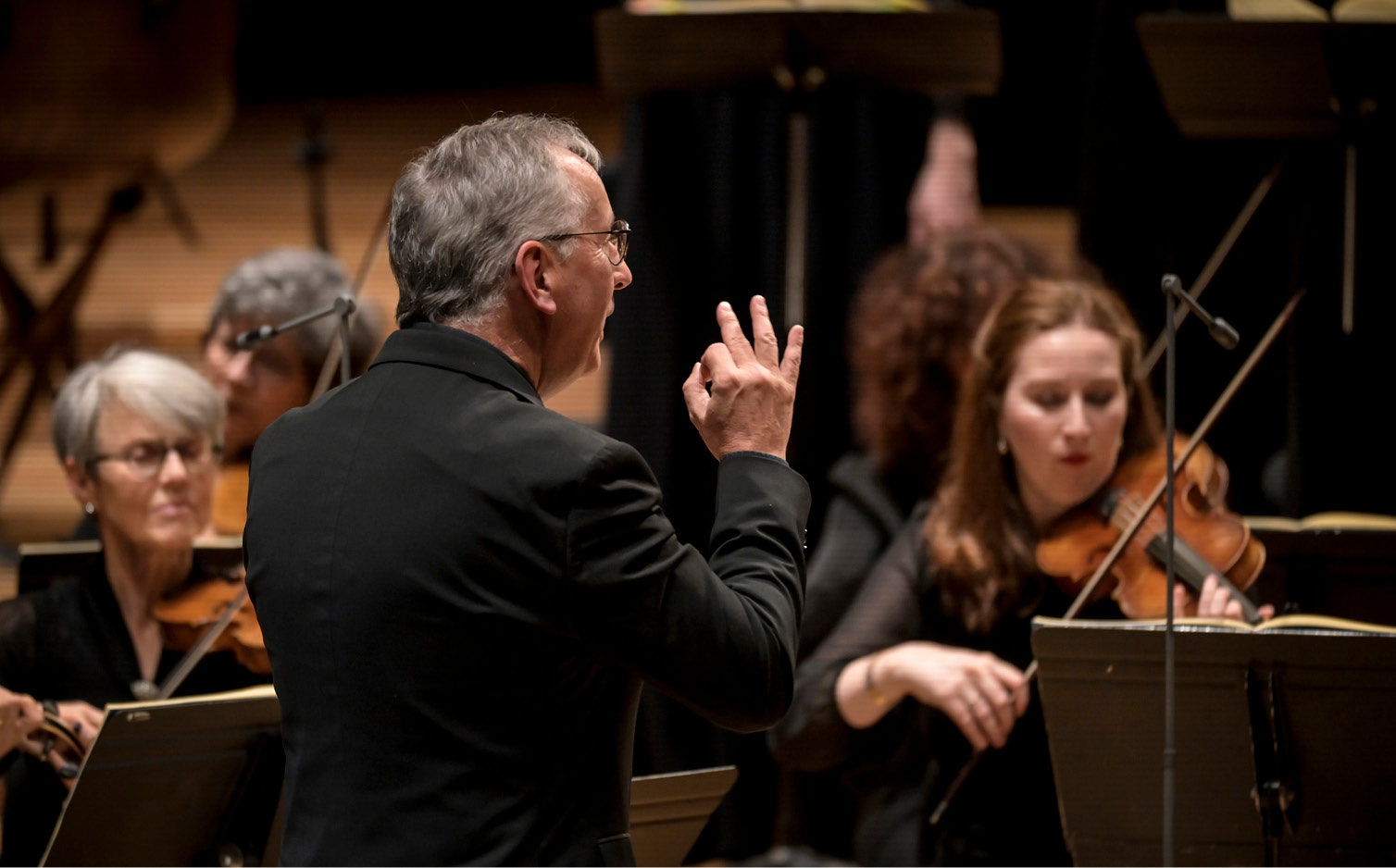
Musical director and choir director Étienne Meyer
Les Traversées Baroques
Dijon Opera Choir
Orfeo Valerio Contaldo
Teti, Primo Euretto Capucine Keller
Fato, Caronte Renaud Delaigue
Ebro, Giove Jaromír Nosek
Lincastro, Euridice, Secondo Euretto Dagmar Šašková
Nisa, Fosforo, Terzo Euretto Madeleine Bazola-Minori
Aurora, Calliope Fanny Lustaud
Mercurio, Bacco Paulin Bündgen
Apolline, Ireno Vincent Bouchot
Furore, Fileno François-Nicolas Geslot
You might also like

Music in the City
Le Combat des chef·fe·s
Riccardo Primo
Georg Friedrich Haendel

Les Épopées & Dijon Opera Choir
Requiem, Wolfgang Amadeus Mozart